
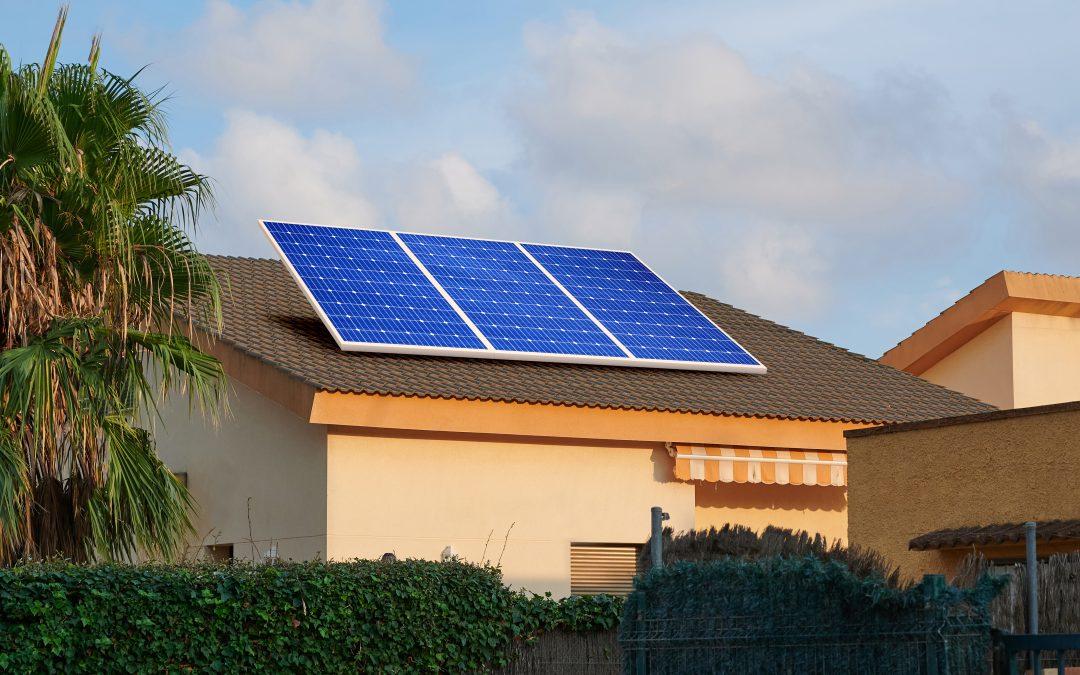
The obvious trend to move off the grid (solar / batteries / inverters powering the house / geysers / generators and the like) has implications for Insurance cover response.
As your broker we can share that Insurers are warning clients (Commercial and Individual) to do their due diligence and ensure they comply with their policy conditions in particular regards compliance relating to products and installations (for cover on assets – Buildings / Contents for example – and Liability covers – to remain intact and not compromised).
They will require evidence of Certificates Of Compliance (COCs) and signs offs by qualified (recognized) professionals including electrical, plumbing and engineering (roof structures / solar) aspects.
Be mindful to always disclose such material changes (upgrading of the infrastructure in this regard at your premises) and perhaps once applied due diligence and used the appropriate professionals whom sign off and provide the COCs, provide same once completed the installations as evidence of compliance for your broker and insurers to safekeep rather than after the event (e.g. Fire / Flood etc) when your claim may be prejudiced.
The question was too raised regards Generators and whether or not compliance aspects come into play.
This would too not only be an insurance but a legal requirement – Any generator installation must too comply with the South African National Standard (SANS) for the wiring of a property. This applies to both portable, as well as permanent installations.
At the end of the day you would need to:
(a) ensure you have familiarized yourself with the laws/bylaws and comply and
(b) ensure you always take due care and necessary measures to minimize / prevent risk of loss/damage (so it would be reasonable for this to translate to safety/using qualified installers whom can provide COCs and all SANS compliance evidence regards products in any event).
Another issue we are noting is that partial electrical COCs are not possible should the respective premises (the whole property) not have a valid COC. Leading to additional costs to the customer to ensure overall Electrical compliance is in place (additional electrical work required for overall compliance).
WITHOUT PREJUDICE
GENERAL TIPS AND INFORMATION FROM VARIOUS SOURCES:
Ensure qualified technicians and installers are appointed and experts are used whom are aware of current prevailing regulations and by-laws (and what follows appropriate certificates and sign offs are available including where applicable Engineers certificates, Electrical Certificates and Plumbing Certificates)
E.g. Solar / Geysers – some information shared by one of the Insurers (focusing on the Solar panel installation aspect too)
Installers must ensure that the roof structure can support the solar system. (SANS 10106:2014 5.3.1)
- Where it is impossible to comply, a professional engineer or registered technologist must design the installation to incorporate the standard’s safety and performance principles. (SANS 10254 2017 4.1.1.2 and SANS 10106 2014 4.1.7)
- Water heaters or storage tanks with a capacity of 200 litres or more may not be attached to a wall. (SANS 120252–1 2012 8.4.6.5)
- The solar system must be installed so that it does not accelerate the deterioration of the roof. (SANS 10400-L, SANS 10243, and SANS 10252–1)